What Size Rug for Every Room: The Cheat Sheet
Our designers' rug-size rules for living rooms, dining rooms, bedrooms, and hallways — with a furniture-to-rug-size cheat sheet you'll actually remember.
Every rug question we're asked eventually collapses into this one: what size? Color can be debated, pattern is personal — but size has rules, and getting it wrong is the single most common mistake we walk into on client projects. Here's the whole system, room by room, ending with the cheat sheet worth screenshotting.
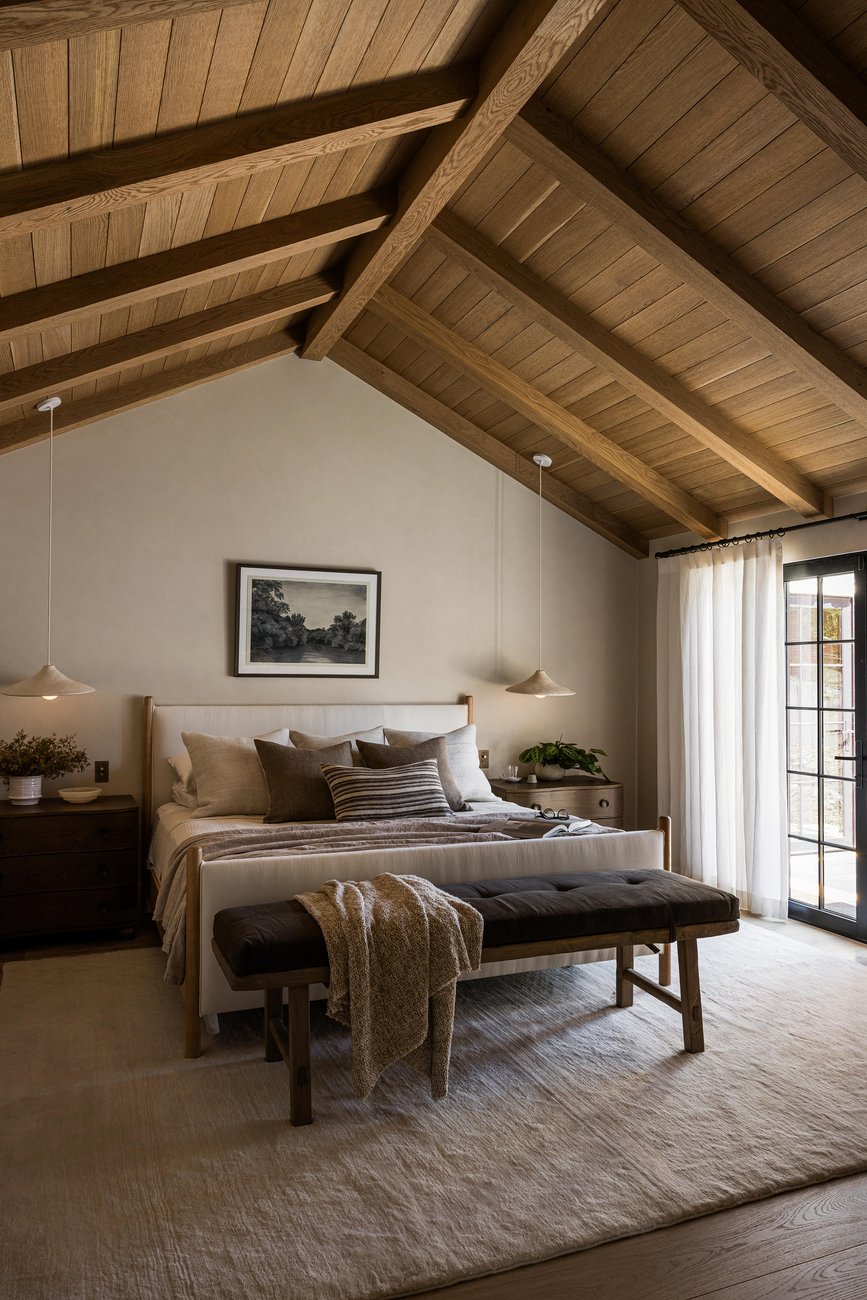
The golden rule: when in doubt, size up.
A rug that's too small makes furniture look like it's drifting and shrinks the room around it. A generous rug does the opposite — the same square footage reads larger, calmer, and more finished. If you're hovering between an 8x10 and a 9x12, the bigger rug is almost always the answer.
Living rooms: think legs, not walls.
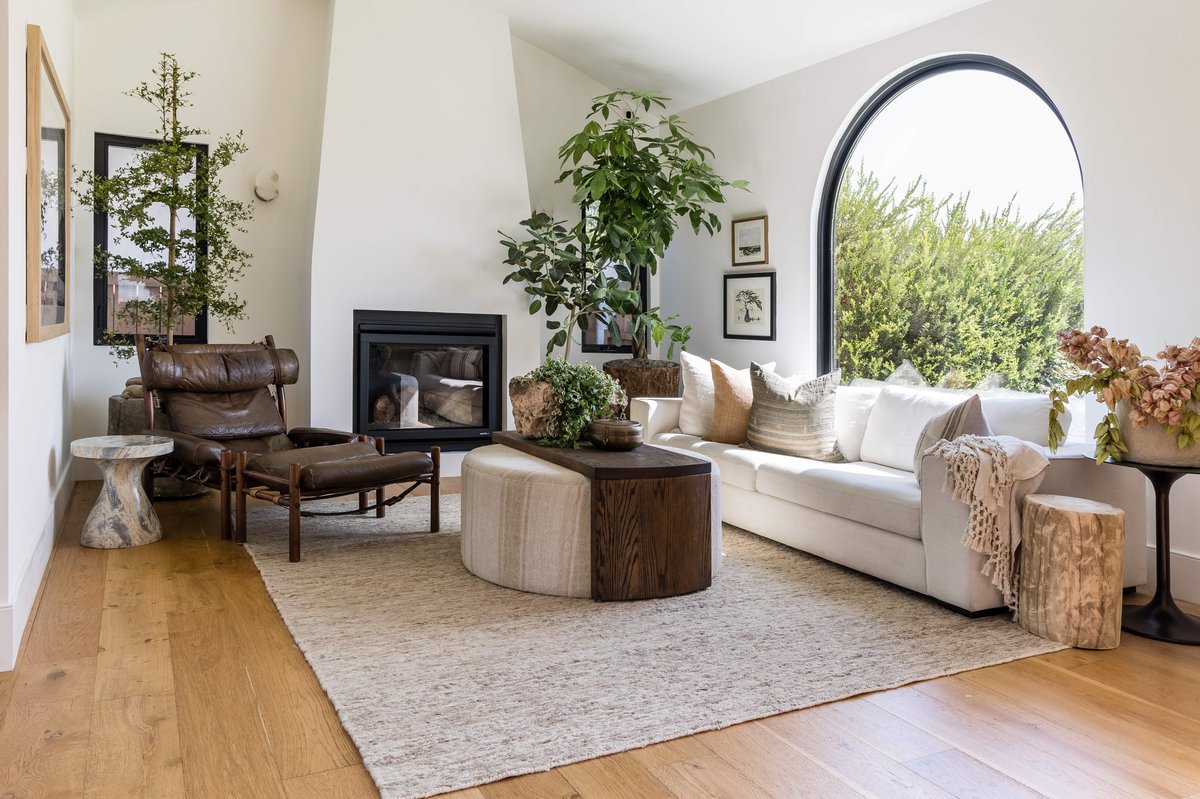
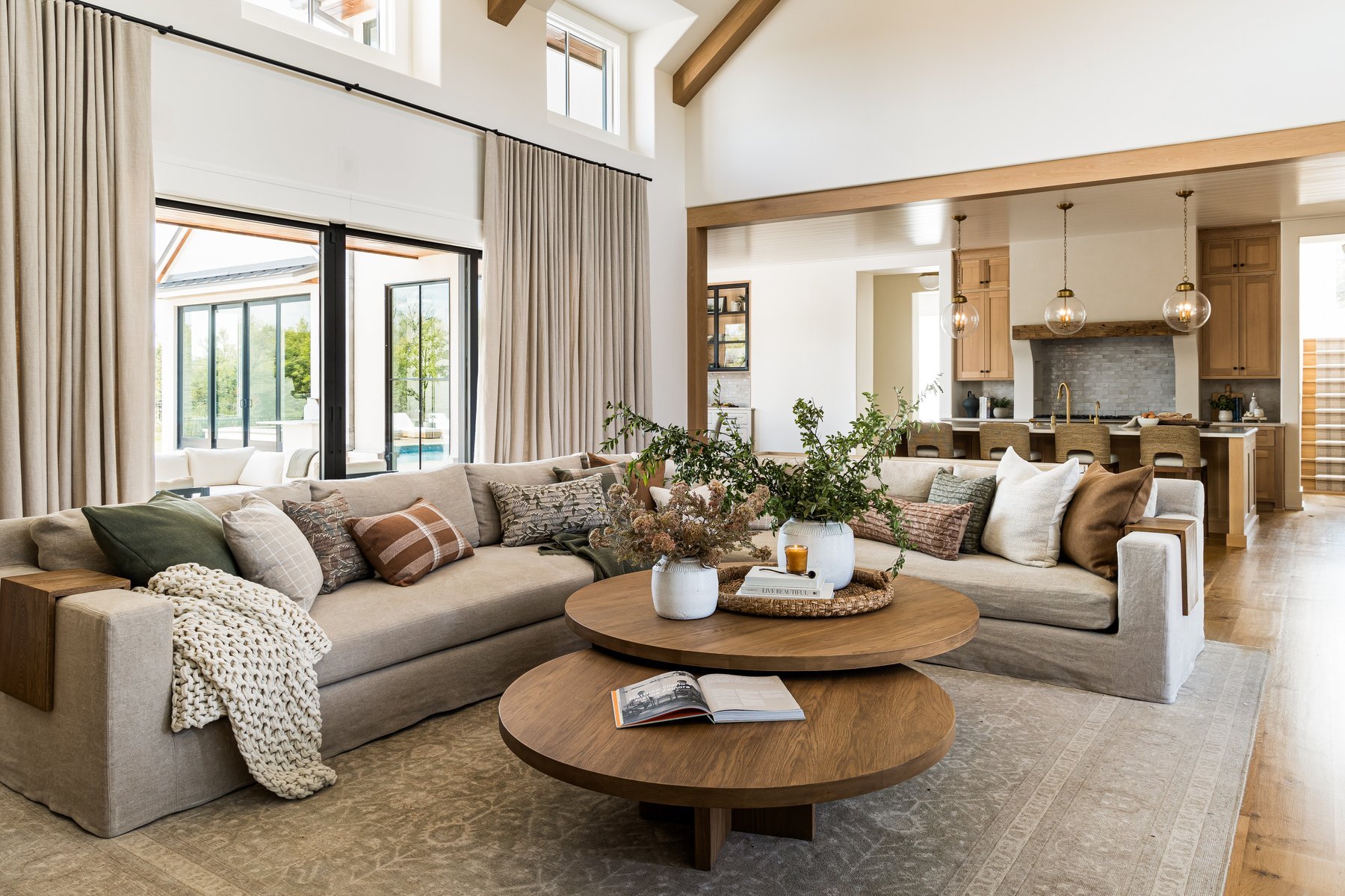
The rug sizes to the seating arrangement, not the room. Ideal: every leg of every piece sits on the rug. The smart compromise for most homes: front legs on, back legs off — with the rug running wider than the sofa by at least six inches per side. What never works is the "floater": a rug sitting in front of the sofa touching nothing, which makes both the rug and the furniture look like they arrived for different rooms.

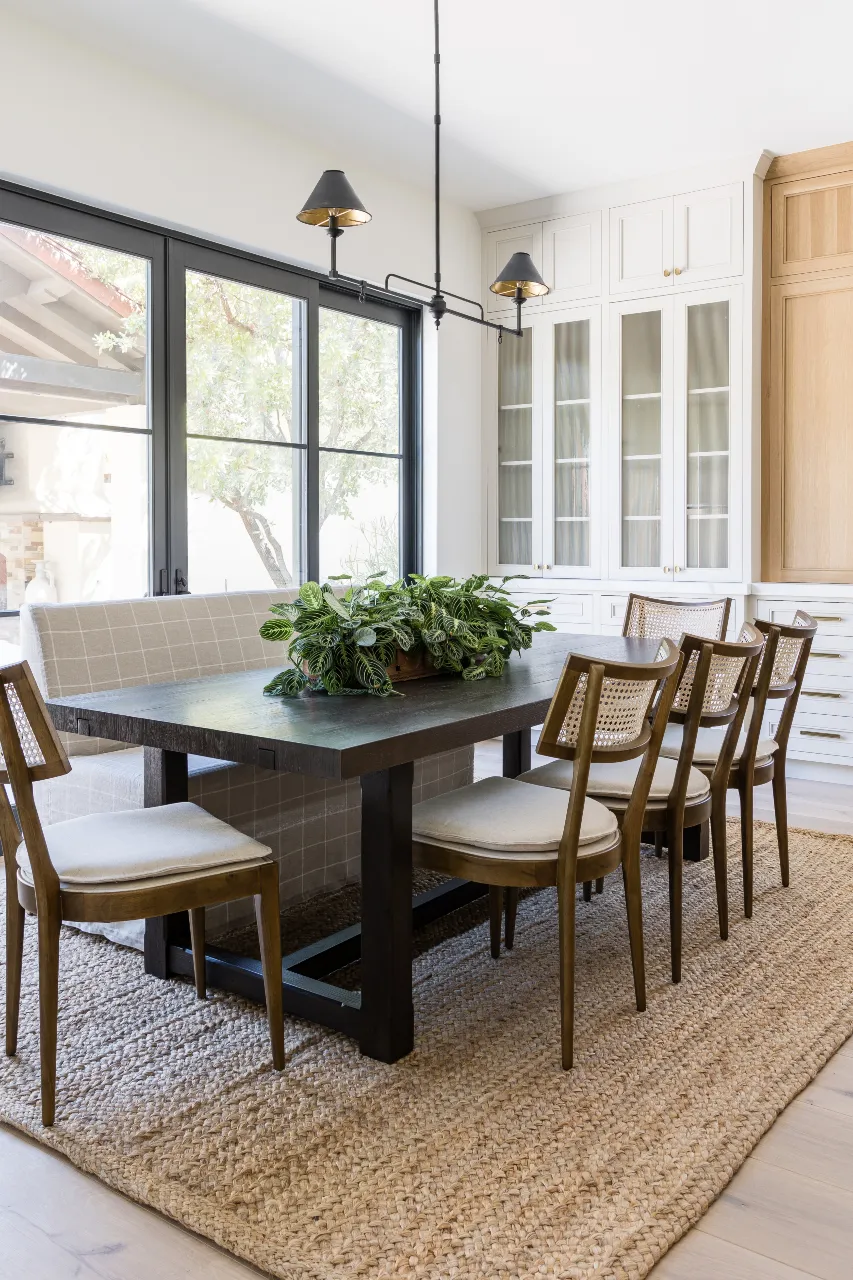
Dining rooms: the 24-inch rule.
The rug must extend at least 24 inches beyond the table on every side, so chairs stay fully on the rug even when pulled out. Nothing undoes a dining room faster than chair legs catching the rug's edge at every meal. Round table? A round rug follows the same 24-inch math.
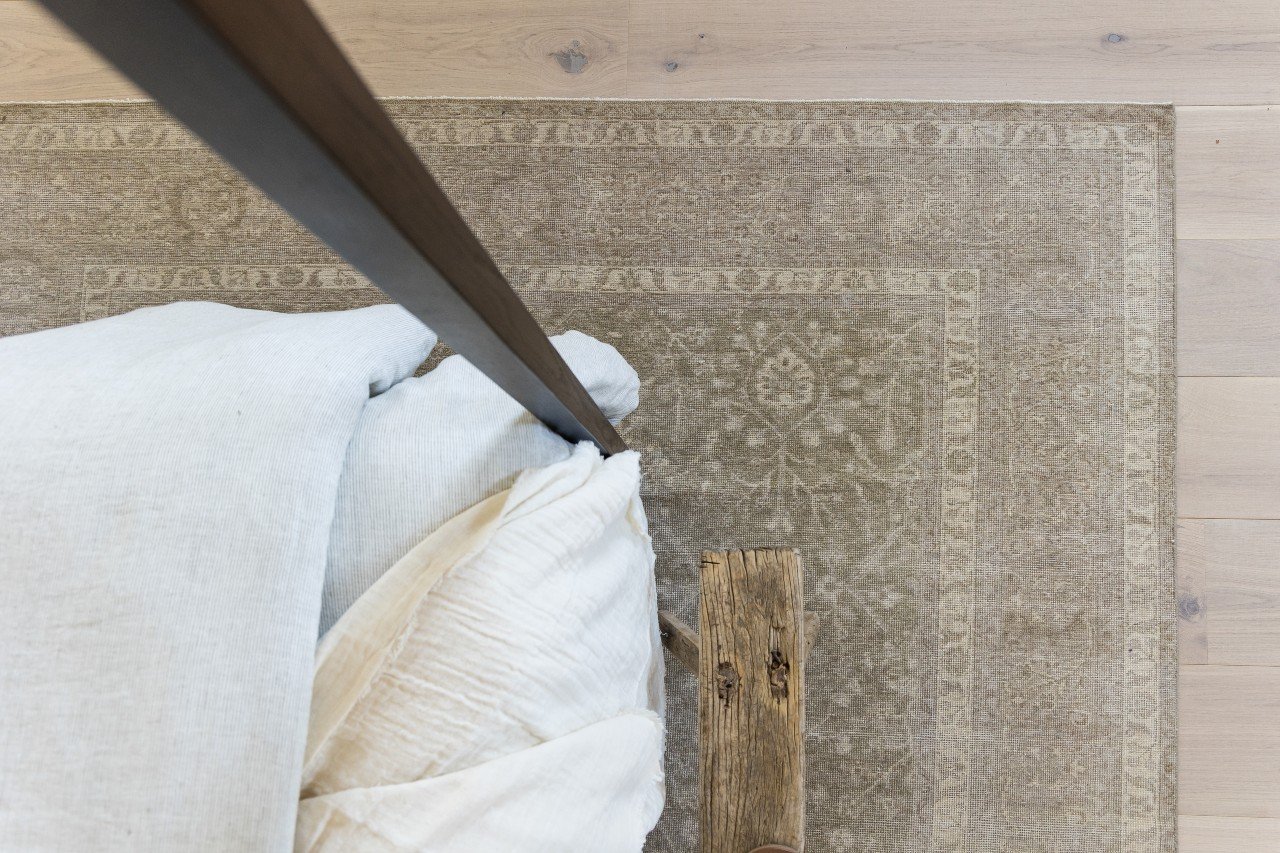
Bedrooms: warmth on three sides.
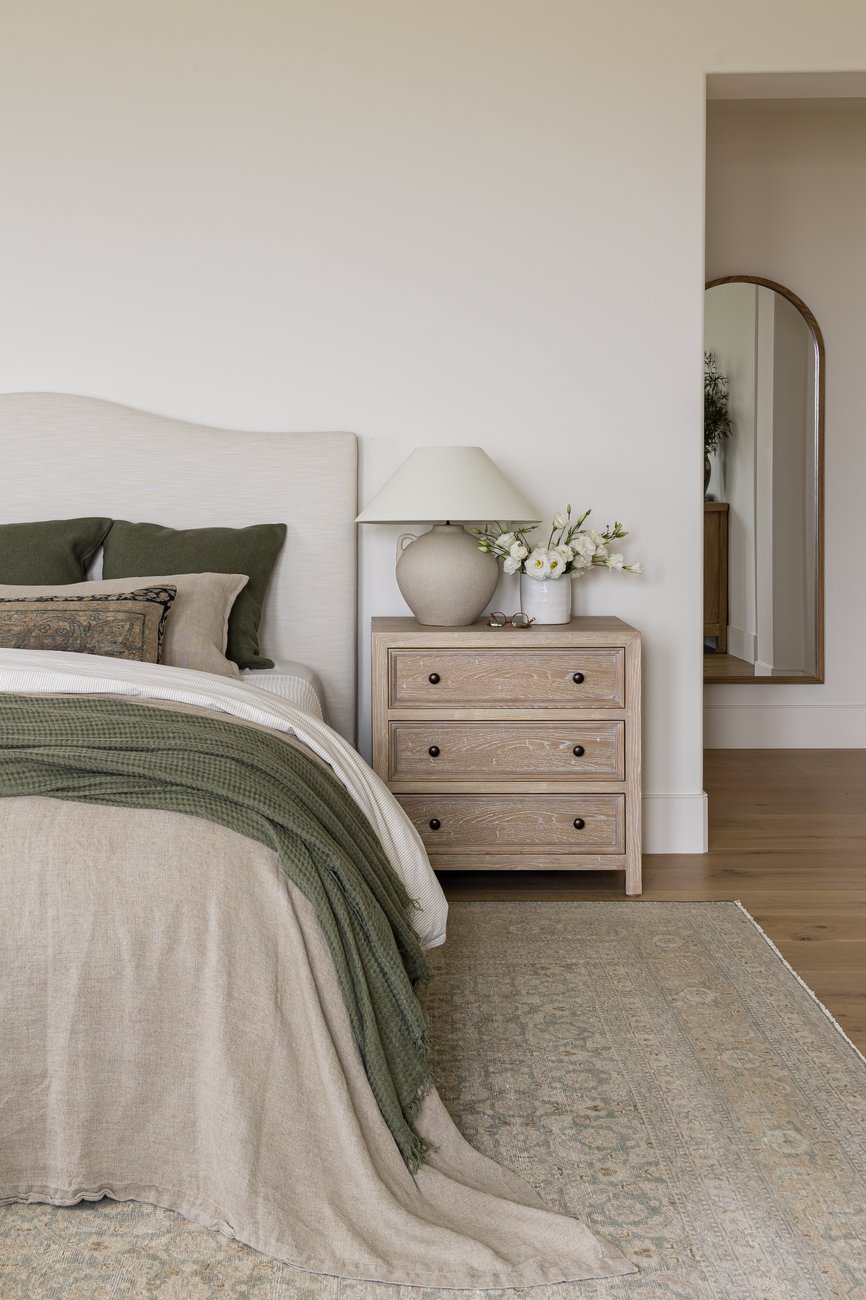
Run the rug under the lower two-thirds of the bed, starting just in front of the nightstands, with 18–24 inches showing on each side and at the foot — soft landings on every side you actually step on. Prefer flexibility? A runner along each side of the bed does the same job and moves house more easily.
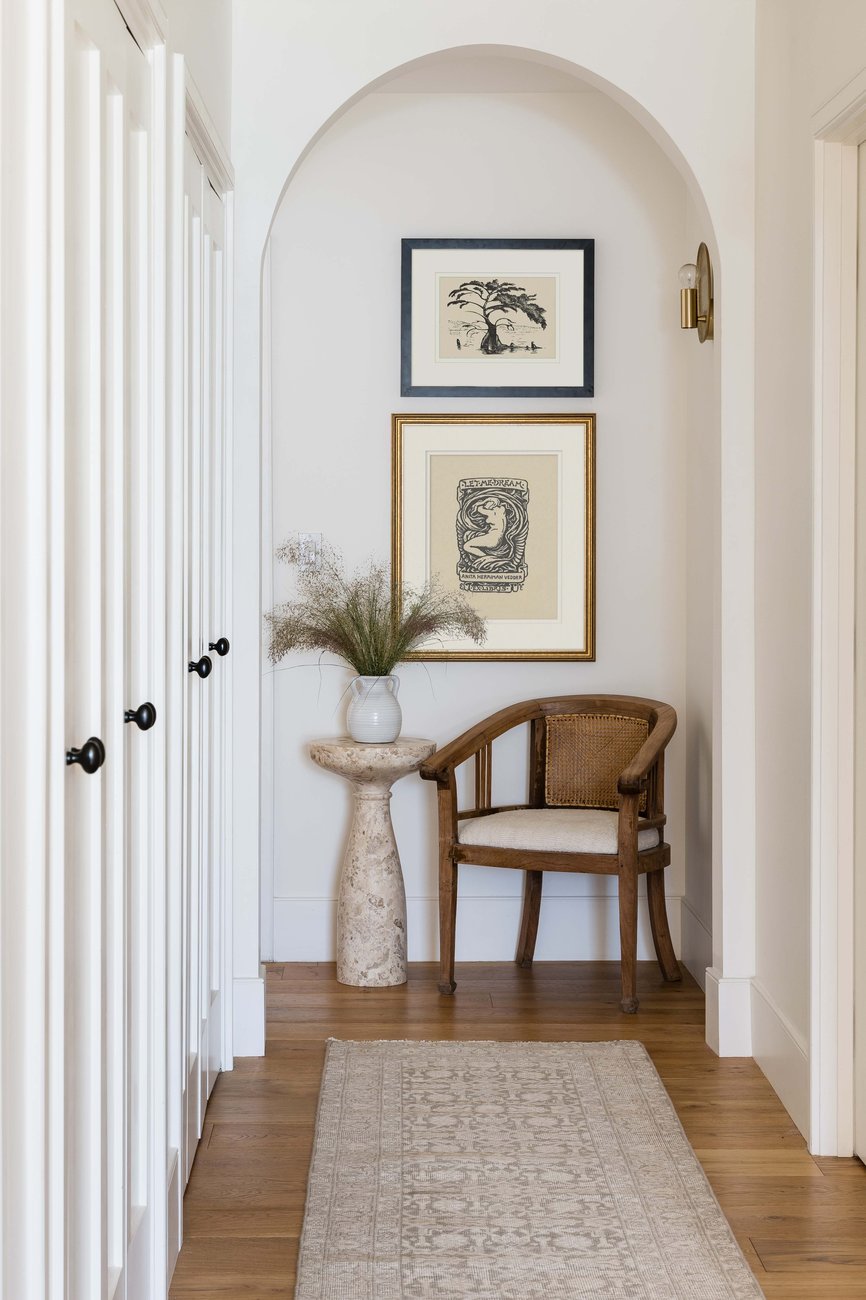
Hallways and entries: leave a reveal.
Runners want 4–6 inches of floor showing along each side and should stop a few inches shy of doorways. Wall-to-wall runners read like carpet; the reveal is what reads like design.
The cheat sheet.
Standard 84-inch sofa with chairs: 8x10. Sectional or large-scale seating: 9x12 and up. Dining for four to six: 8x10; dining for eight or more: 9x12; round tables: 8-foot round. Queen bed: 8x10. King bed: 9x12. Bedside, galley kitchen, or hallway: a 2'6" x 8' runner. (Every size is filterable in our rug collection.)
The ten-minute trick that settles everything: painter's tape. Tape the candidate rug's exact dimensions on your floor, live with it for a day, and watch the debate end. We do this with clients constantly — the tape never lies.
Size is step one of four — placement, layering, and materials round out the system, all with diagrams, in our complete Rug Guide [ADD LINK ONCE LIVE]. And if you'd rather have it measured for you, that's precisely what a Shoppe Design consult is for.