Leigh’s Outdoor Styling Guide
Creating an outdoor space designed for gathering and slowing down in nature, the Pure Salt way.
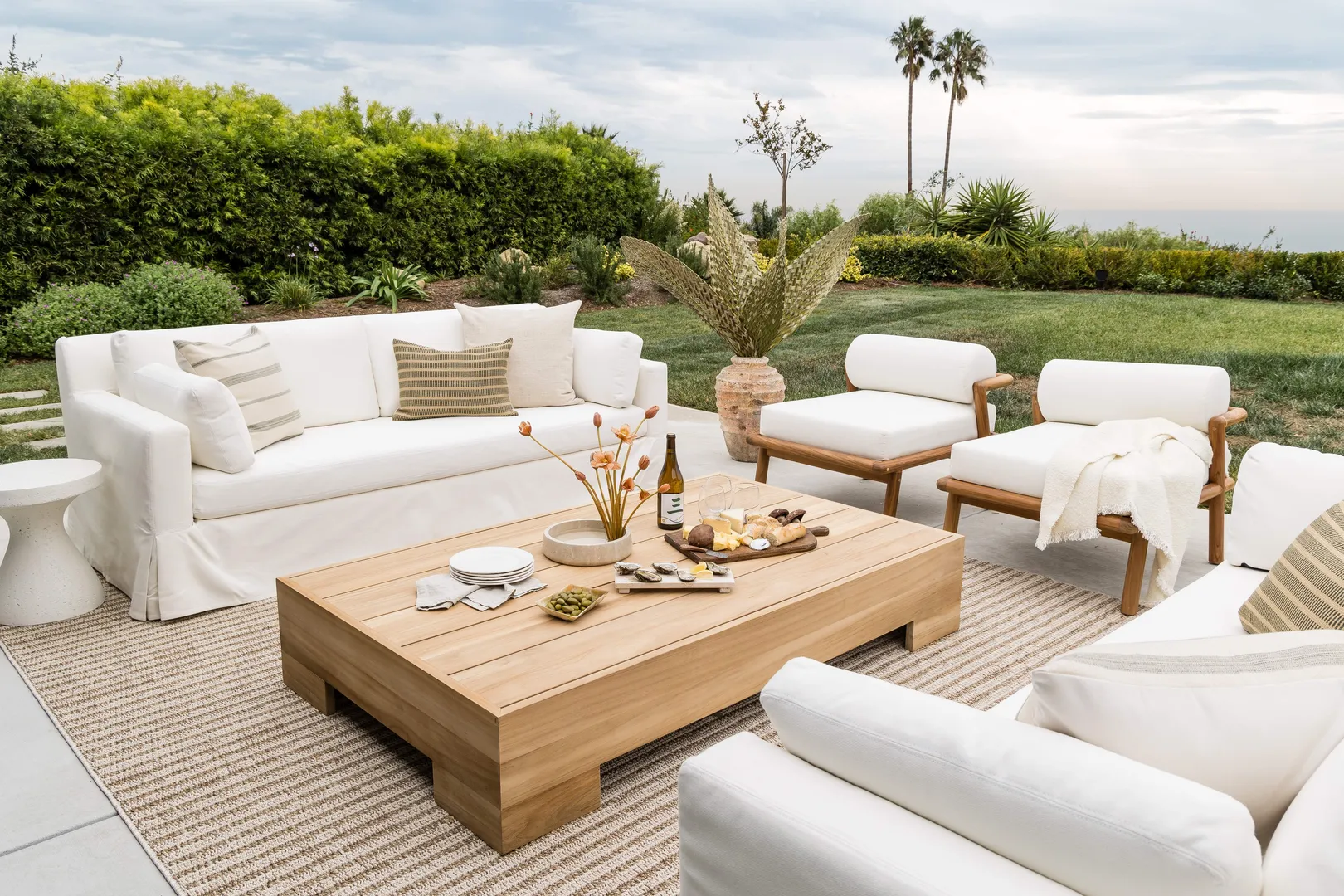
Outdoor spaces have always felt a little different to me.
They’re less about perfection and more about feeling—how the light moves throughout the day, how the air shifts in the evening, how a space invites you to stay a little longer than you planned.
When we design outdoor areas, we approach them the same way we do interiors: layered, intentional, and grounded in natural materials. But there’s also a softness to outdoor styling—an ease that comes from letting things feel slightly undone.
Here’s how I think about styling an outdoor space that feels both beautiful and truly lived in.
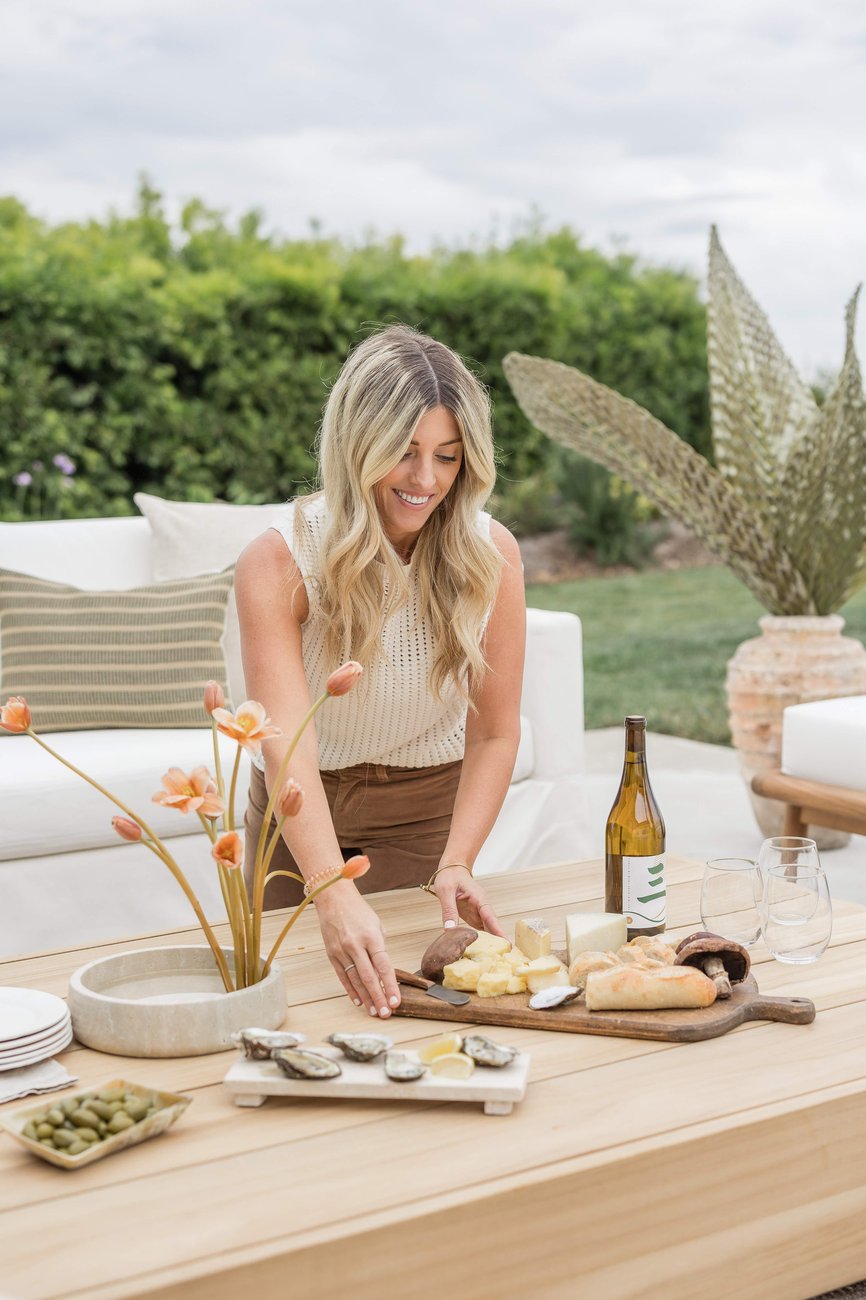
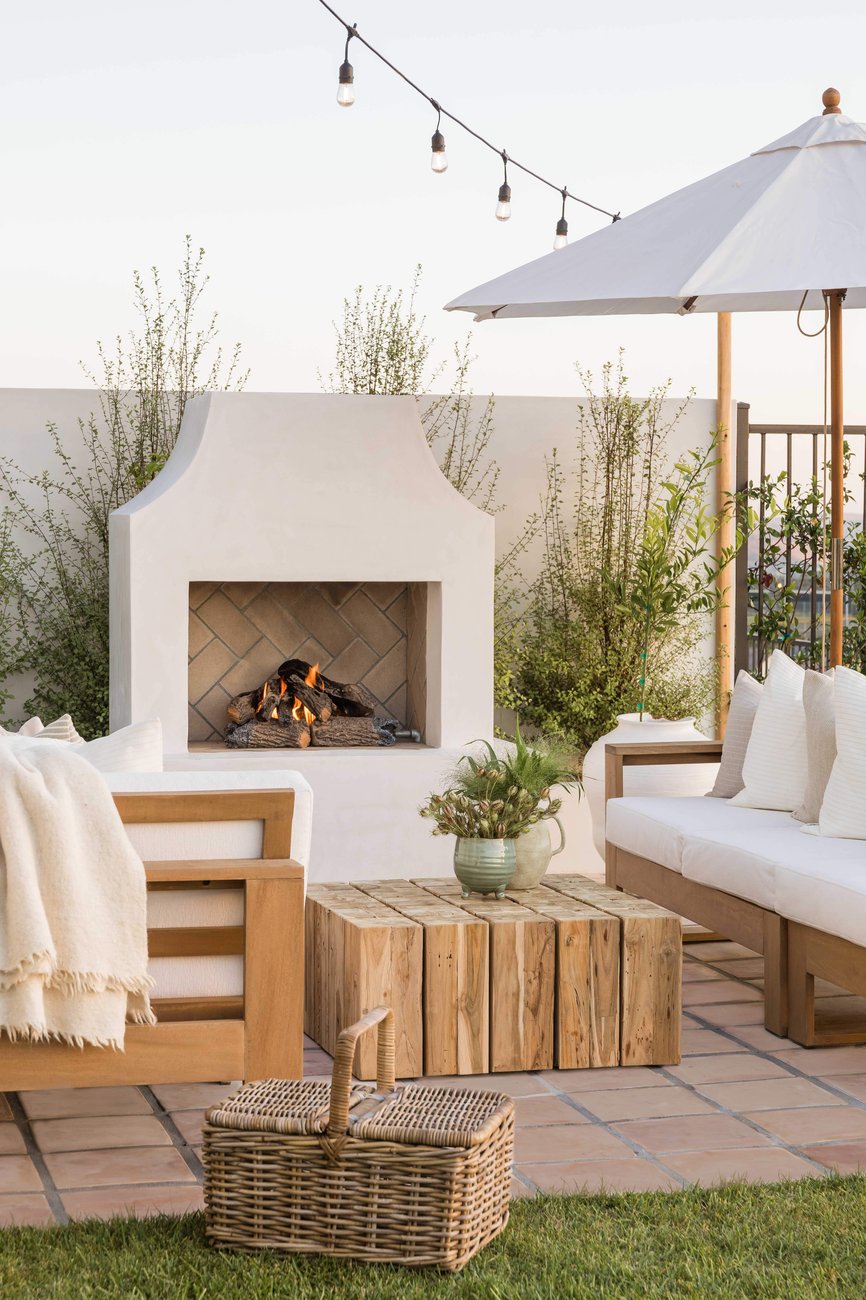
01 // Start with Furniture That Anchors the Space
Every outdoor space needs an anchor.
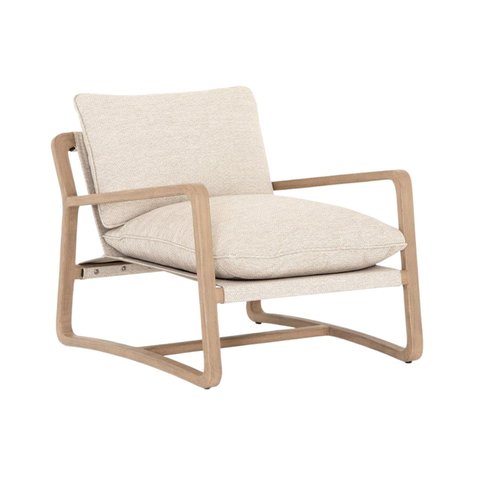
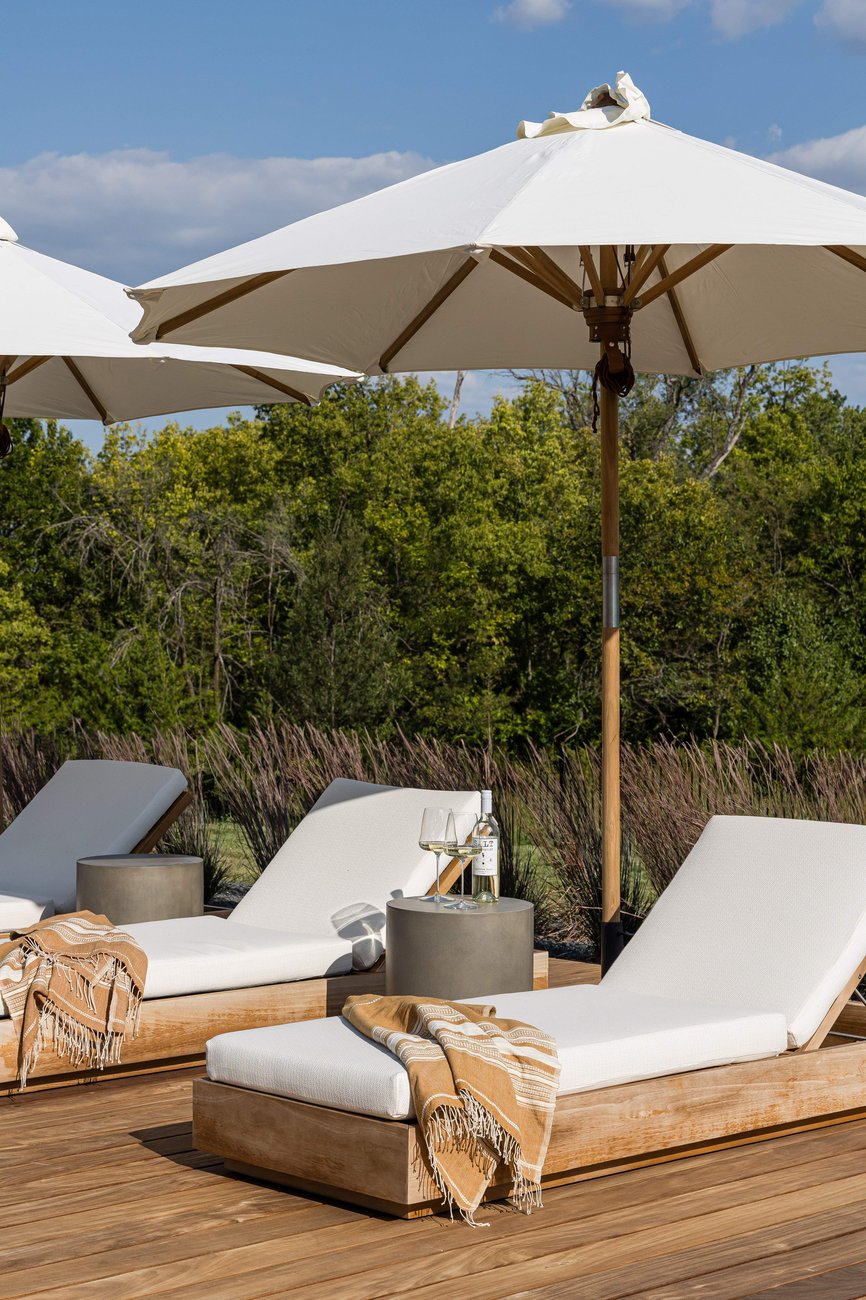
This is usually your larger furniture—sofa, lounge chairs, or dining table. These pieces define how the space will be used and how it flows.
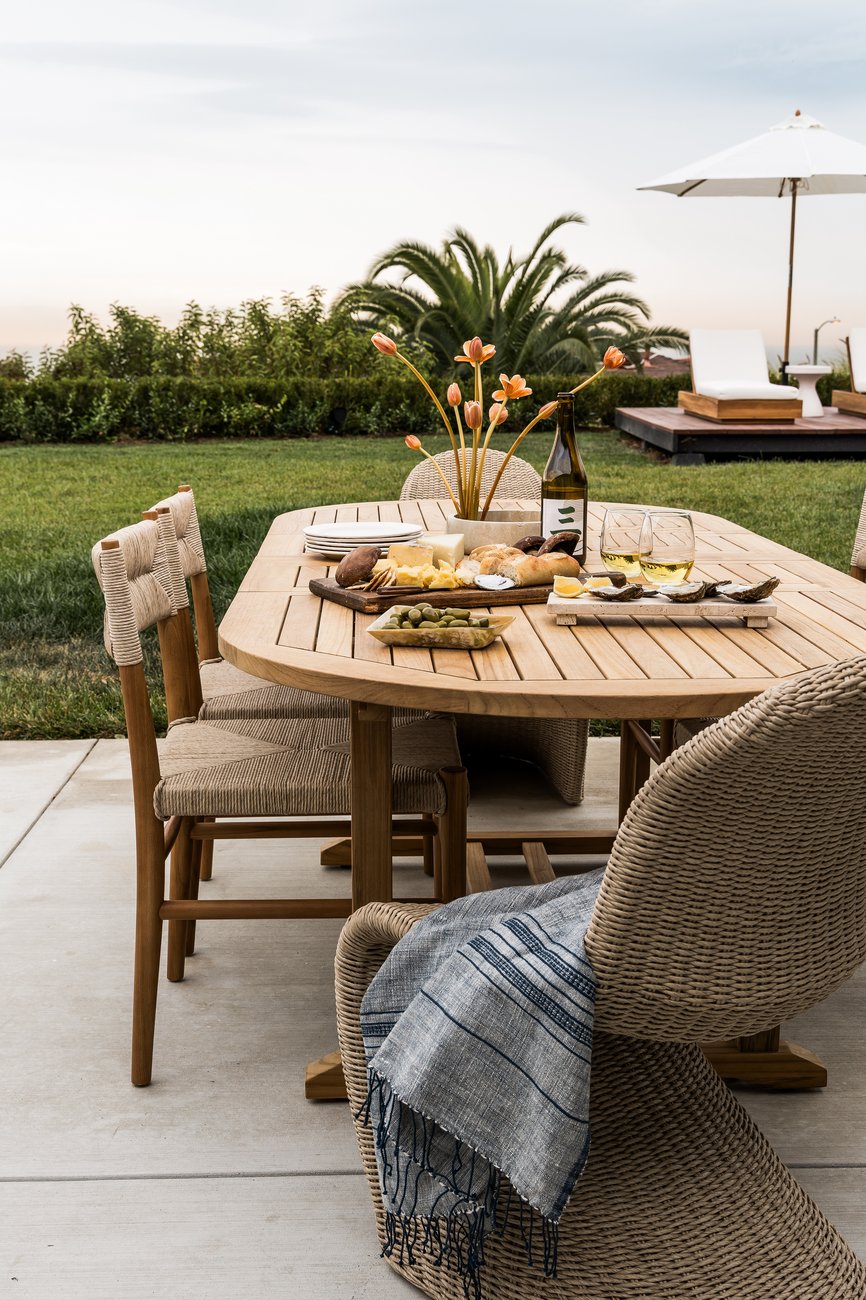
I’m always drawn to materials that feel natural and timeless—wood, woven fibers, and stone-inspired finishes. They age well, soften over time, and connect the space back to its surroundings.
Design Tip: Choose one strong foundational piece first, then build around it. It keeps the space from feeling overdesigned.
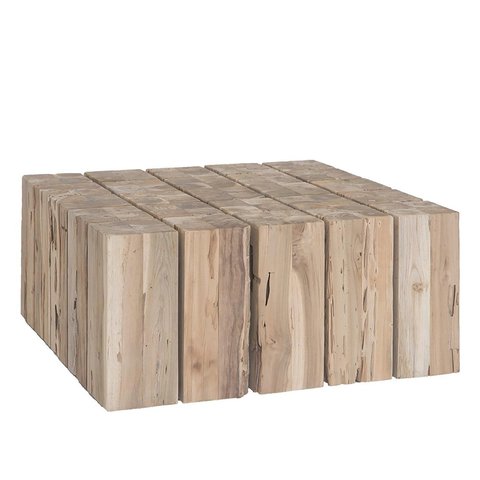
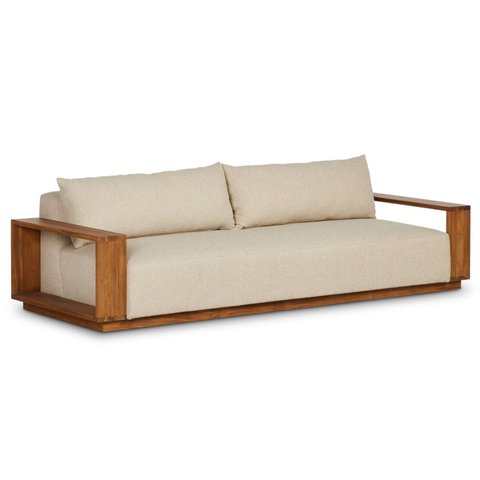
02 // Layer in Texture
Once the foundation is set, texture does most of the work, bringing your space to life.
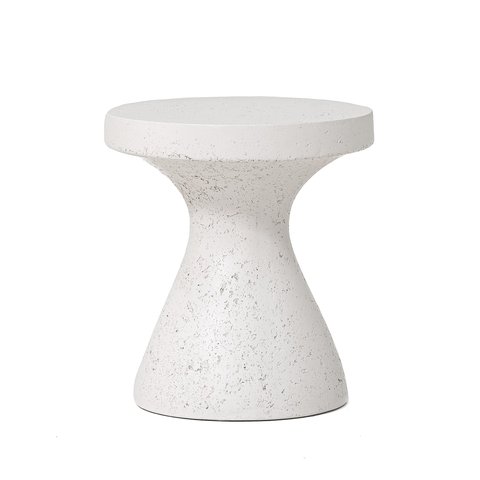
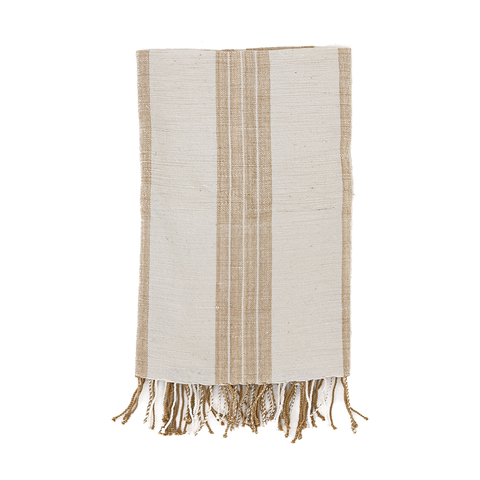
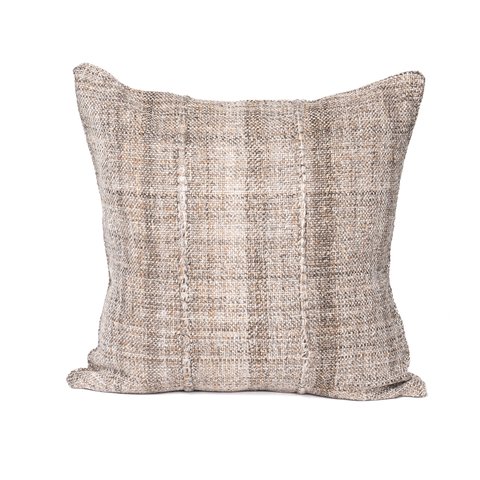
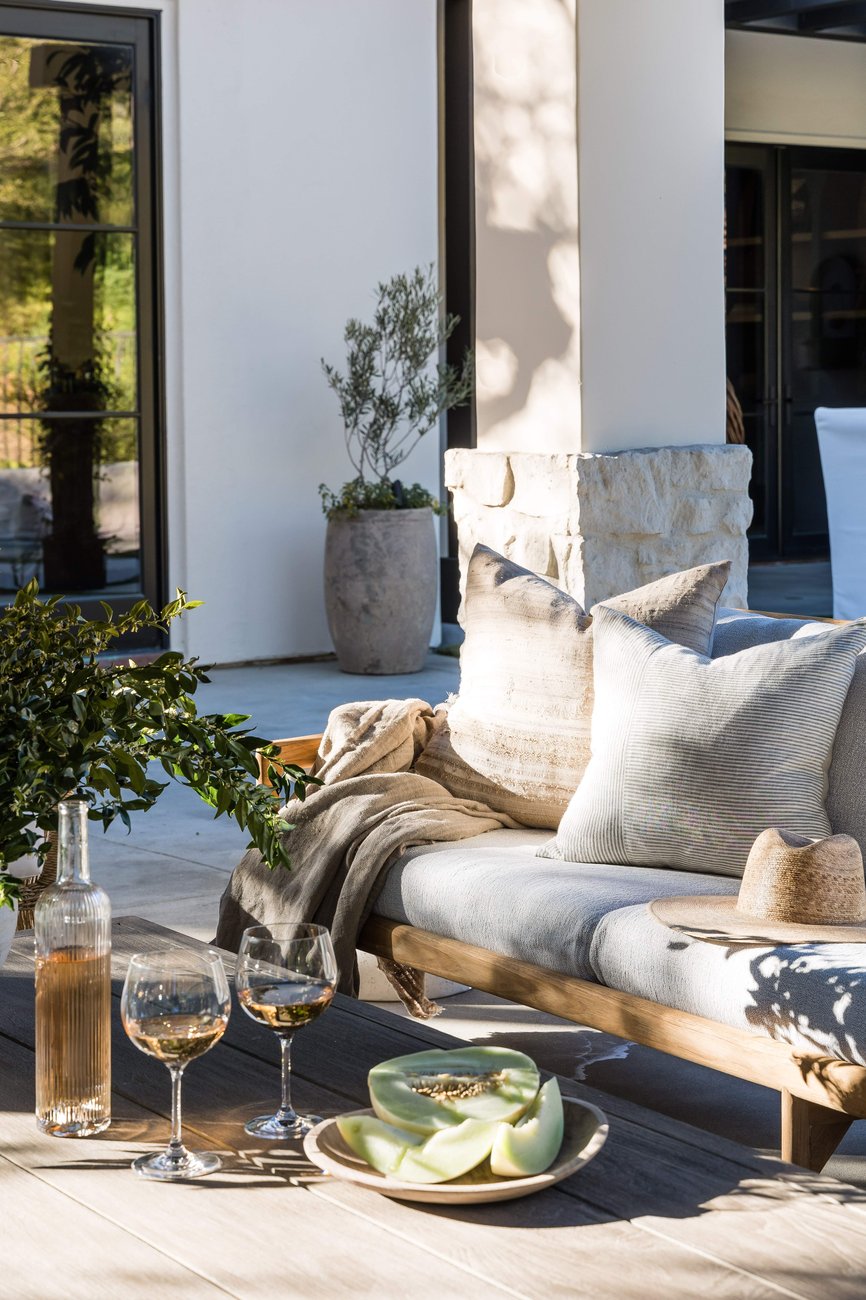
Outdoor spaces can feel flat without it, so I like to layer in woven elements, soft textiles, and subtle variation in materials. This is what gives the space warmth.
Think:
- Outdoor pillows in soft, neutral tones
- Woven stools or side tables
- Textural outdoor rugs
Design Tip: Stay within a restrained palette—let texture, not color, create interest.
03 // Create Zones, Even in Smaller Spaces
One of the biggest shifts in outdoor design is thinking in zones rather than one open area.
Even a small patio can feel more intentional if you define:
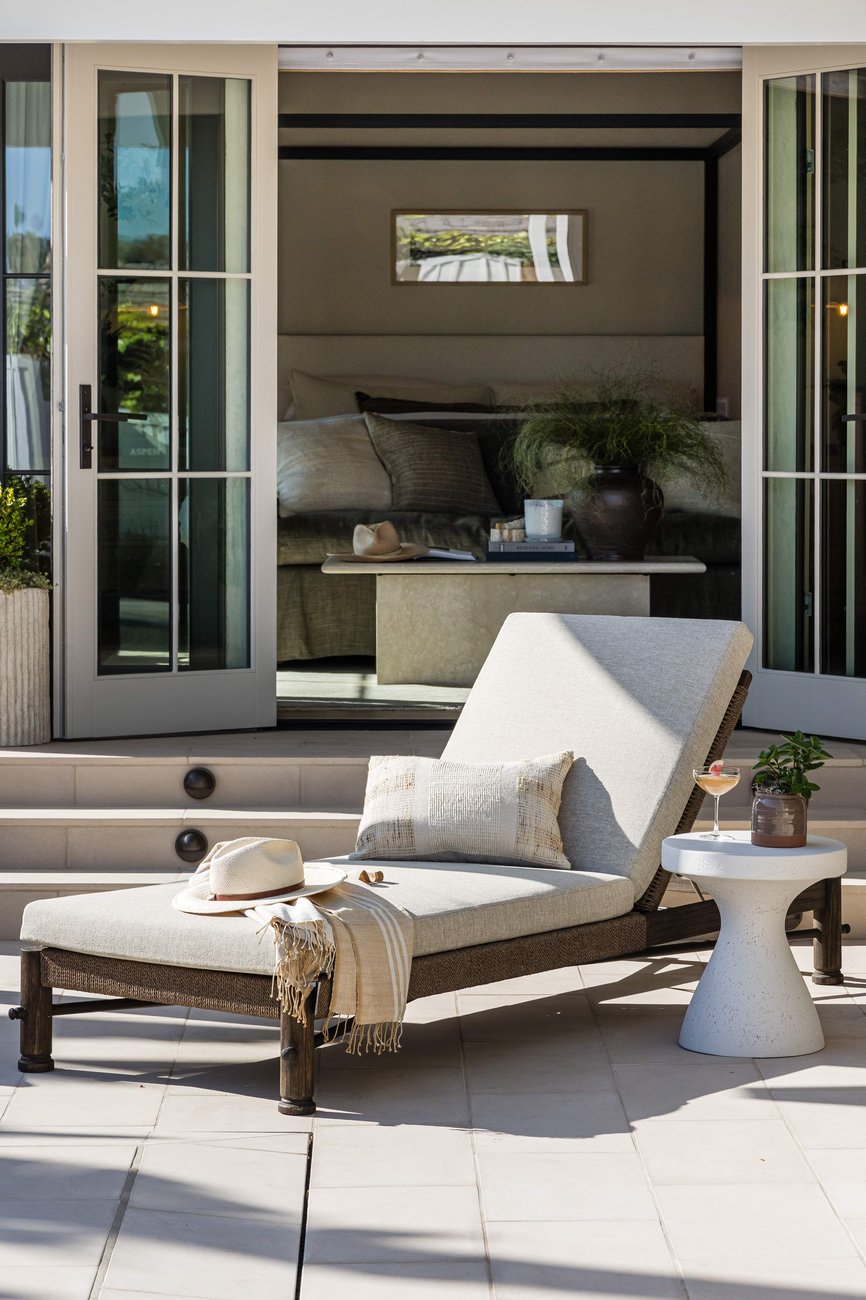
- A place to lounge
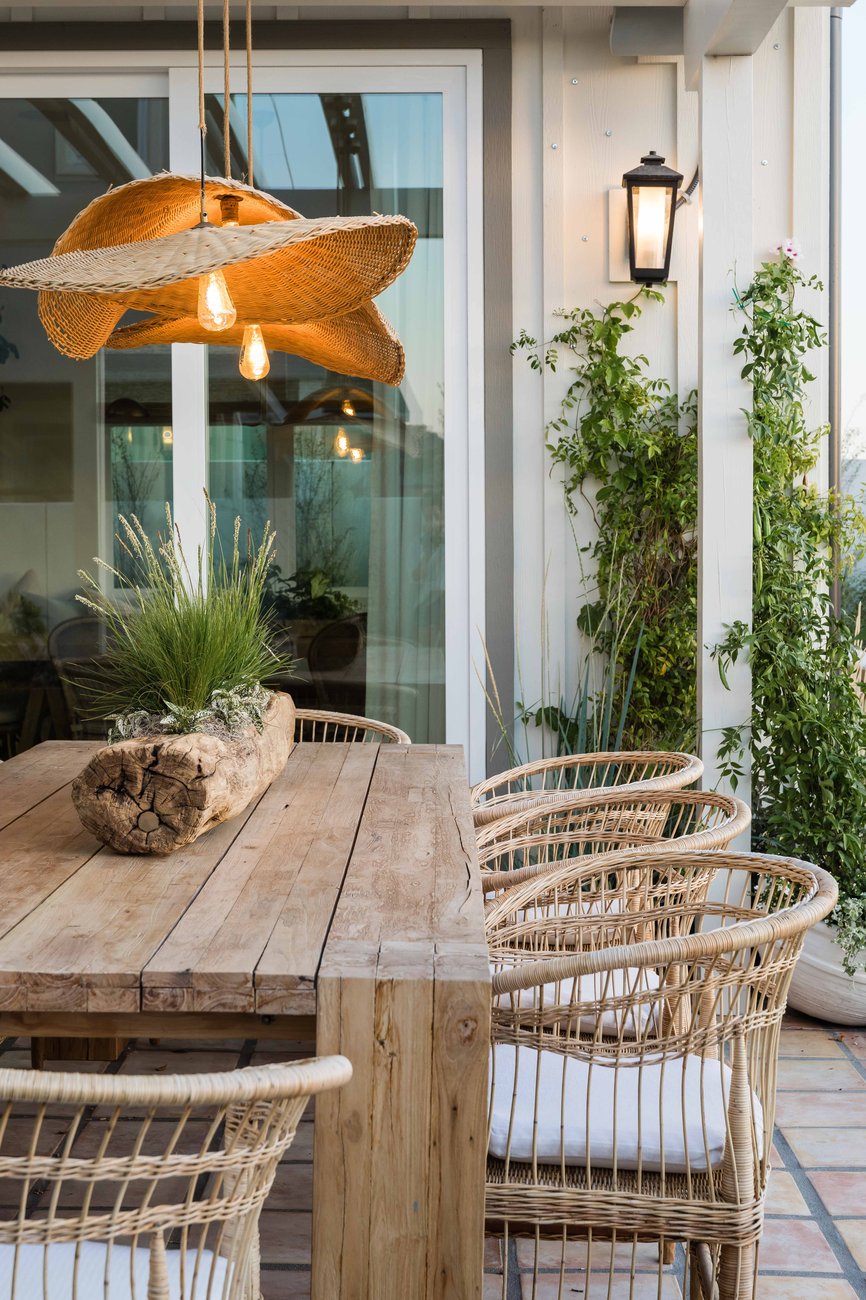
- A place to dine
- A place to pause (a single chair + side table)
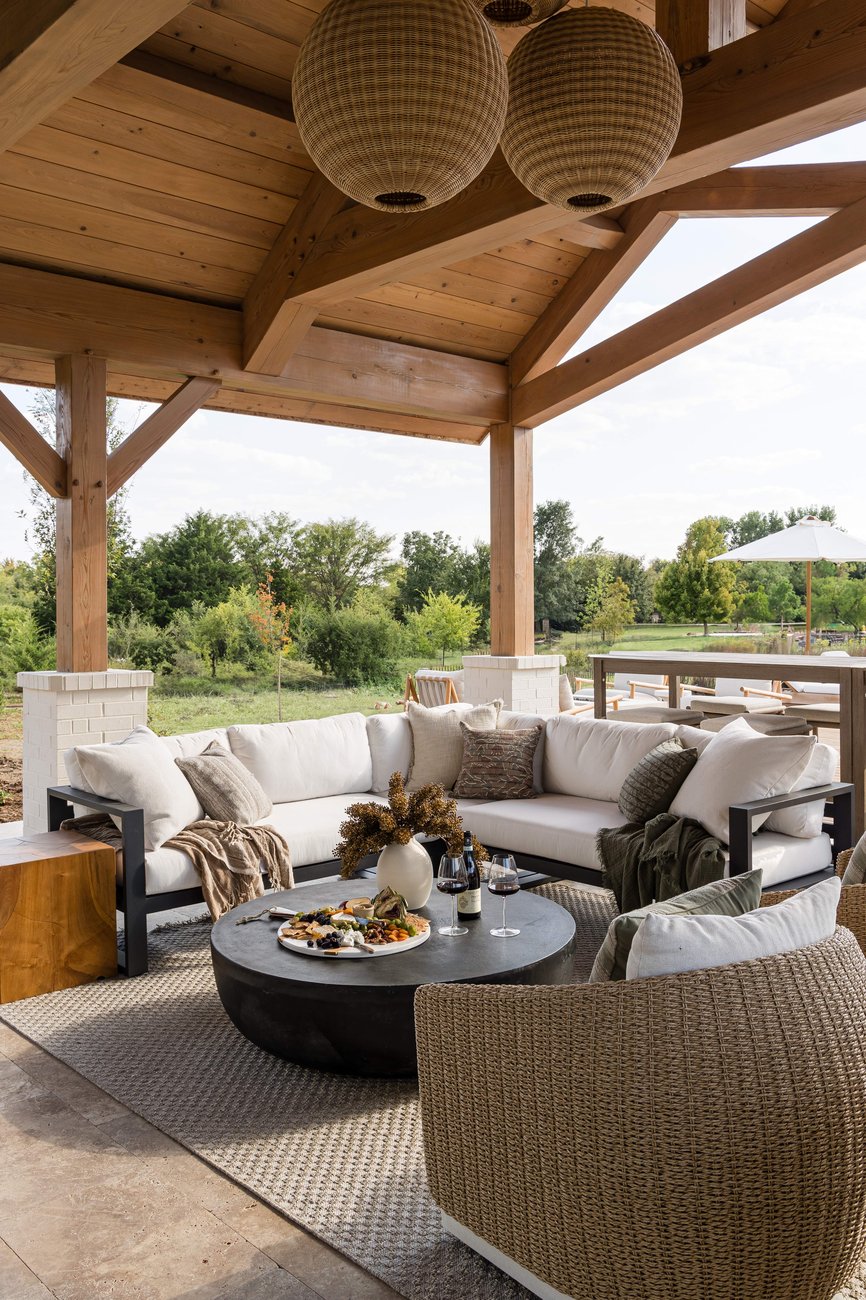
In larger projects—like our Flint Hills home—we often design multiple zones that flow into one another naturally, so the space feels expansive but still cohesive.
Design Tip: Use rugs or furniture placement—not walls—to define each area.
04 // Lighting Changes Everything
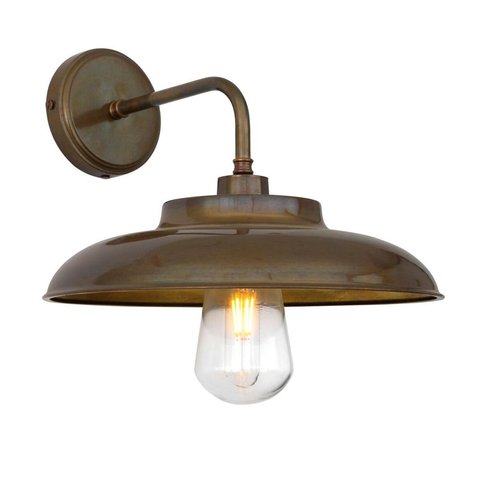
Outdoor lighting is often overlooked, but it’s what makes a space usable after sunset.
I always layer lighting the same way I would indoors:
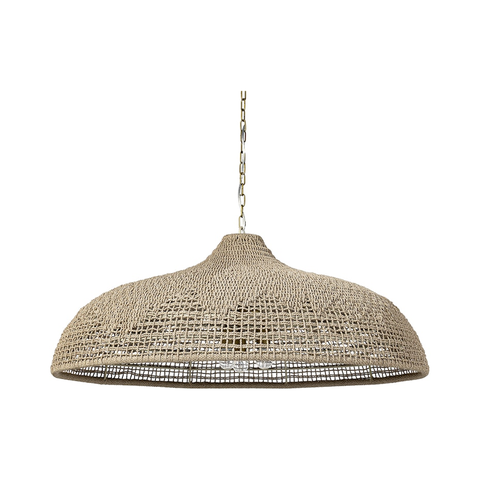
- Overhead (pendants or string lighting)
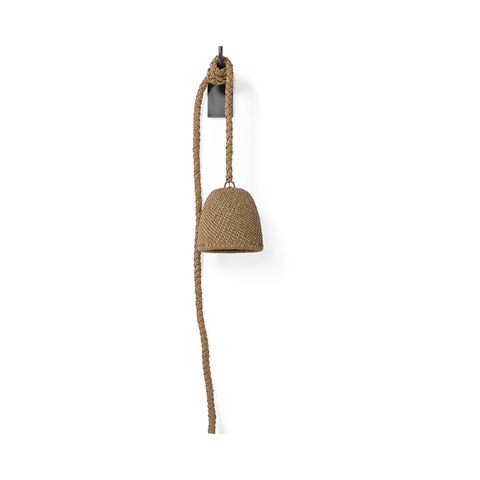
- Mid-level (lanterns)
- Low (candles)
Woven pendants are one of my favorite elements—they bring warmth and texture while softening the space.
Design Tip: Lighting should feel ambient, not overly bright. Think glow, not spotlight.
05 // Bring in Something Living
Outdoor spaces should never feel static.
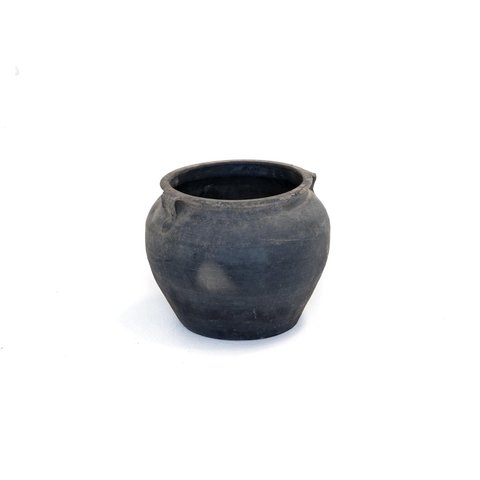
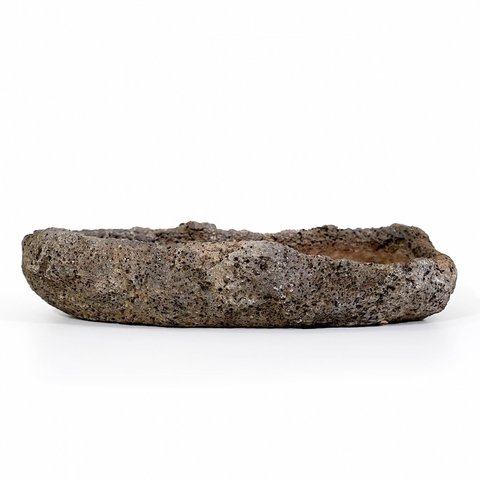
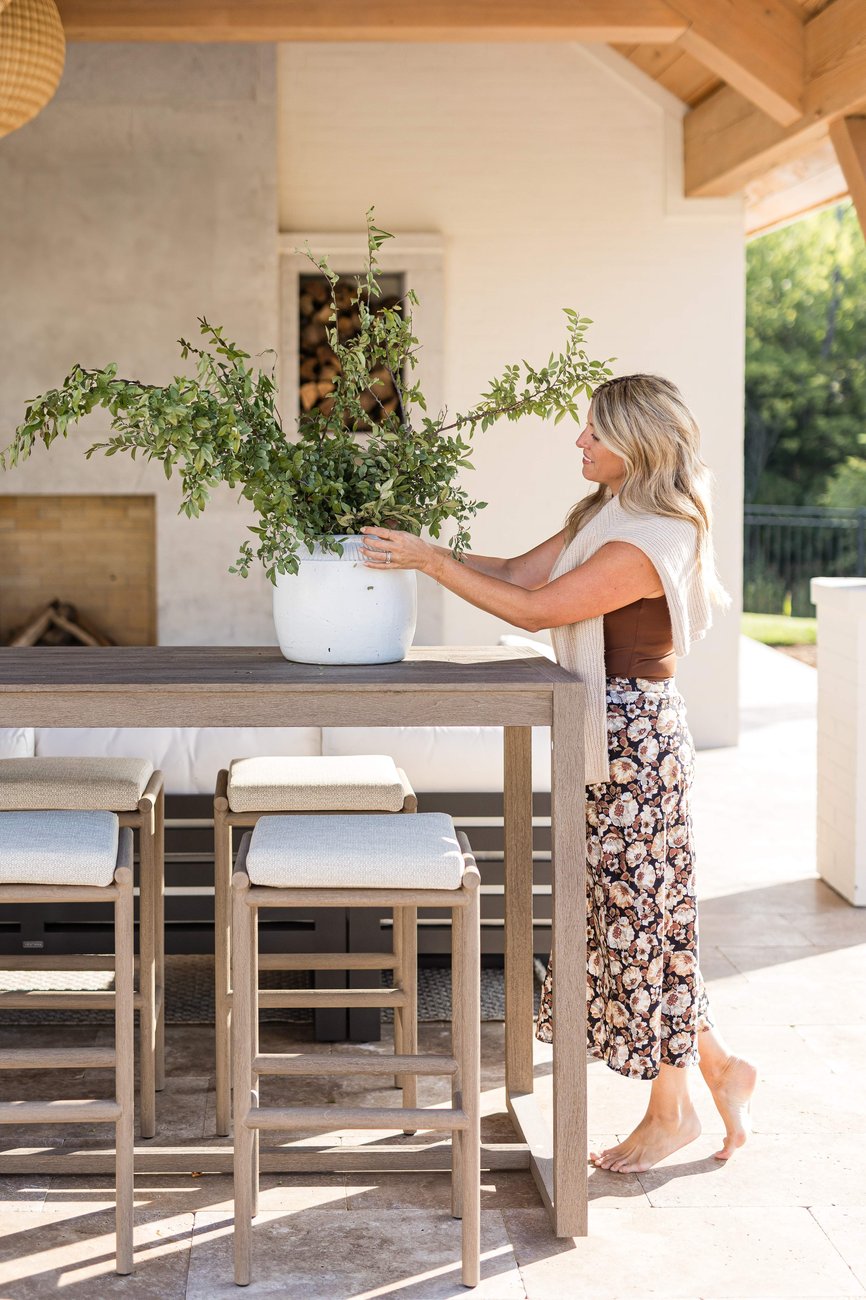
Greenery—whether it’s a potted olive tree, simple branches, or something more structured—adds movement and softness.
I like to keep it minimal and natural, letting the surrounding environment do most of the work.
Design Tip: Vary heights slightly when grouping planters to keep the arrangement feeling organic.
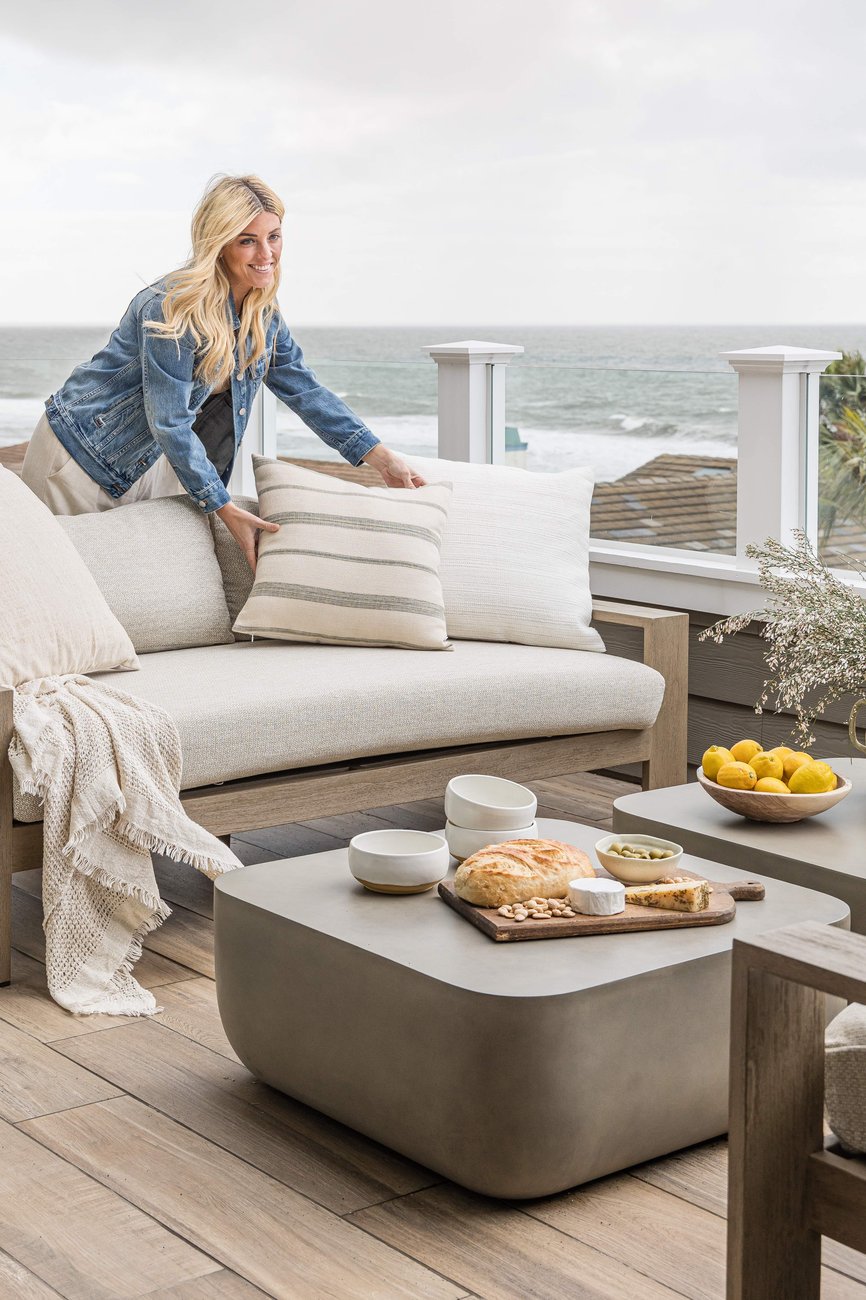
06 // Let It Feel Slightly Undone
This might be the most important part.
Outdoor spaces shouldn’t feel overly styled. A pillow slightly out of place, a throw draped casually, a table that’s not perfectly arranged—these details make the space feel lived in.
The goal isn’t perfection. It’s comfort.